
Key Takeaways
- A dental crown is a custom-fitted cap that restores the shape, strength, and appearance of a damaged or decayed tooth – often saving it from extraction.
- The crown procedure typically takes two appointments: one to prepare the tooth, and one to fit the finished crown.
- NHS crowns in England cost £332.10 under Band 3; private crowns generally range from £500 to £1,200 or more, depending on material and clinic.
- Dental bridges offer a long-lasting way to replace missing teeth – but how they compare to implants depends on several factors covered below.
Crowns Can Save a Damaged Tooth
A cracked tooth, a heavily filled molar, a tooth that has been through root canal treatment – these are all situations where a dental crown can make the difference between keeping a natural tooth and losing it altogether. Crowns restore function, protect what remains of the tooth, and blend into a smile so well that most people won’t notice they’re there.
Understanding what’s involved – the procedure, the materials, and the cost – makes it far easier to decide whether a crown is the right path.
What Exactly Is a Dental Crown?
A dental crown is a cap – shaped and coloured to match surrounding teeth – that fits over a damaged or weakened tooth. Covering the entire visible portion of the tooth above the gum line, it restores the tooth’s original shape and protects it from further damage. Crowns address worn, broken, or decayed teeth, shield them from erosion, improve chewing function, and can significantly enhance appearance.
Porcelain, Zirconia, Metal & More
Crown materials each carry different trade-offs between strength, aesthetics, and cost:
- Porcelain – highly natural-looking, popular for front teeth, but less durable under heavy bite pressure.
- Zirconia – extremely strong, tooth-coloured, and long-lasting; often used for back teeth or when durability is the priority.
- E-max (lithium disilicate) – a premium ceramic that blends excellent aesthetics with good strength.
- Porcelain-fused-to-metal (PFM) – a metal core with a porcelain outer layer; durable but may show a dark line at the gum over time.
- Metal (gold alloy) – the most durable option, rarely chips or breaks, though not aesthetically preferred by most patients.
When a Crown Is the Right Choice
Crowns are typically recommended when a tooth is too damaged for a filling to work reliably. Common situations include a large crack or fracture, severe decay that has removed a significant portion of the tooth, a tooth that has had root canal treatment (which leaves it more brittle), or a tooth that needs to anchor a dental bridge. A dentist will assess the tooth and surrounding structure before recommending the best approach.
The Crown Procedure: Usually Two Appointments
For most patients, getting a crown means two visits spaced a couple of weeks apart. Each appointment plays a distinct role in making sure the final crown fits precisely and functions well.
Preparing the Tooth & Taking Impressions
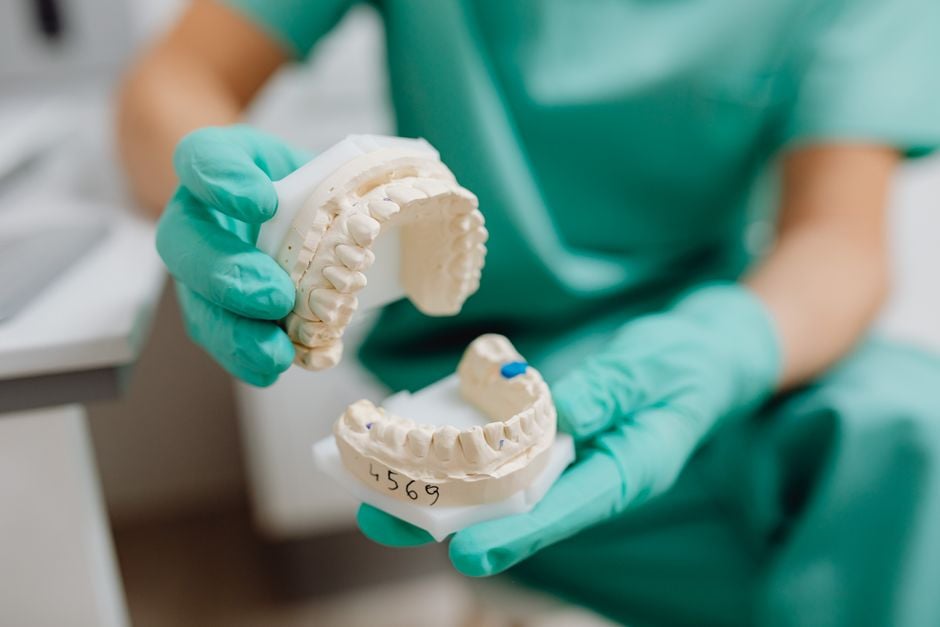
At the first appointment, the dentist reshapes the tooth – removing a thin layer from the outside – so the crown can sit over it without feeling bulky. Any decay present is removed at this stage too. Once shaped, impressions (or digital scans) of the tooth and bite are taken and sent to a dental laboratory where the custom crown is made. A temporary crown is placed in the meantime to protect the prepared tooth.
Fitting Your Custom Crown
When the permanent crown returns from the lab – usually within one to two weeks – the temporary is removed and the new crown is checked for fit, colour match, and bite alignment before being permanently bonded in place. Adjustments can be made at this stage if anything feels slightly off.
Can It Be Done in One Visit?
Some dental practices offer same-day crowns using in-house CAD/CAM milling technology. This eliminates the need for a temporary crown and a second appointment, though not all clinics offer this service. It’s worth asking when booking a consultation.
How Much Do Dental Crowns Cost in Nottingham?
Cost is one of the most common questions, and the answer depends on whether treatment is through the NHS or private.
NHS vs. Private Crown Costs
On the NHS in England, a dental crown falls under Band 3 treatment, which costs £332.10. This single charge covers the examination, any X-rays needed, and the crown itself – making it considerably more affordable, though material choices are more limited.
Private crown costs in the UK generally range from £500 to £1,200, with some premium materials such as zirconia and E-max reaching £1,500 or more depending on the clinic. Metal crowns tend to sit at the lower end of the range. Private treatment typically offers a wider choice of materials, faster turnaround times, and more flexibility in appointment scheduling.
How Long Will a Crown Last?
Most dental crowns last between 10 and 15 years on average. With excellent oral hygiene and depending on the material chosen, crowns made from metal or zirconia can last 20 to 30 years or more. Longevity is heavily influenced by habits like teeth grinding, diet, and how consistently good oral care is maintained. Regular dental check-ups allow a dentist to spot early signs of wear or loosening before they become a bigger issue.
Dental Bridges: Replacing Missing Teeth
A dental bridge does exactly what the name implies – it bridges the gap left by a missing tooth or teeth. The bridge is anchored to the healthy teeth on either side of the gap (called abutment teeth), with a false tooth or teeth suspended in between. Bridges can also be supported by dental implants rather than natural teeth, offering a stronger foundation in some cases.
Eating & Speaking: Short Adjustment, Long-Term Gain
There’s often concern that a bridge will feel strange or interfere with eating and speaking. By filling the gap, a bridge restores the mouth’s natural biting and chewing mechanics. Most patients notice a significant improvement in confidence when eating and speaking – particularly if the missing tooth had been absent for some time.
Bridges also help prevent the remaining teeth from drifting out of position, which is a common and underappreciated consequence of leaving a gap untreated.
Caring for Your Bridge
A bridge relies on the supporting teeth staying healthy and strong. The care routine is straightforward:
- Brush twice daily – paying close attention to where the bridge meets the gum line.
- Floss once a day – using a floss threader or interdental brush to clean under the bridge, where regular floss can’t reach.
- Use an antiseptic mouthwash – to reduce the risk of gum disease around the bridge and supporting teeth.
Good habits here make a meaningful difference to how long a bridge lasts and how well it performs.
Bridge vs. Implant: Which Is Right for You?
Both dental bridges and implant options replace a missing tooth effectively, but they suit different situations. The core trade-offs worth knowing:
- Cost: A private three-unit bridge in the UK typically costs between £750 and £2,400, though prices can vary. Dental implants cost more upfront, often significantly so.
- Longevity: Bridges typically last 8 to 12 years before needing replacement; implants can last 20 to 25 years or longer with good care.
- Impact on surrounding teeth: A traditional bridge requires the abutment teeth to be shaped down – a permanent change. Implants stand alone and don’t affect neighbouring teeth.
- Bone preservation: Implants stimulate the jawbone and help prevent the bone loss that follows tooth loss. Bridges do not.
- Suitability: Not everyone is a candidate for implants – bone density, gum health, and medical history all play a role. Bridges are often the more accessible option.
A consultation with a dentist is the most reliable way to determine which solution fits the specific situation, budget, and long-term goals.
Making the Right Choice for Your Smile
Dental crowns can restore damaged teeth while improving both function and appearance, but the right option depends on the condition of the tooth, the material chosen, and individual needs. Understanding the costs, treatment process, and expected lifespan makes it easier to discuss the available options with a dentist and make an informed decision.
Arnold Dental & Implant Centre
77C High Street, Arnold
Nottingham
Nottinghamshire
NG5 7DJ
United Kingdom


